Fotona Laser Treatments in Encino, CA: Insights for Better Decision-Making
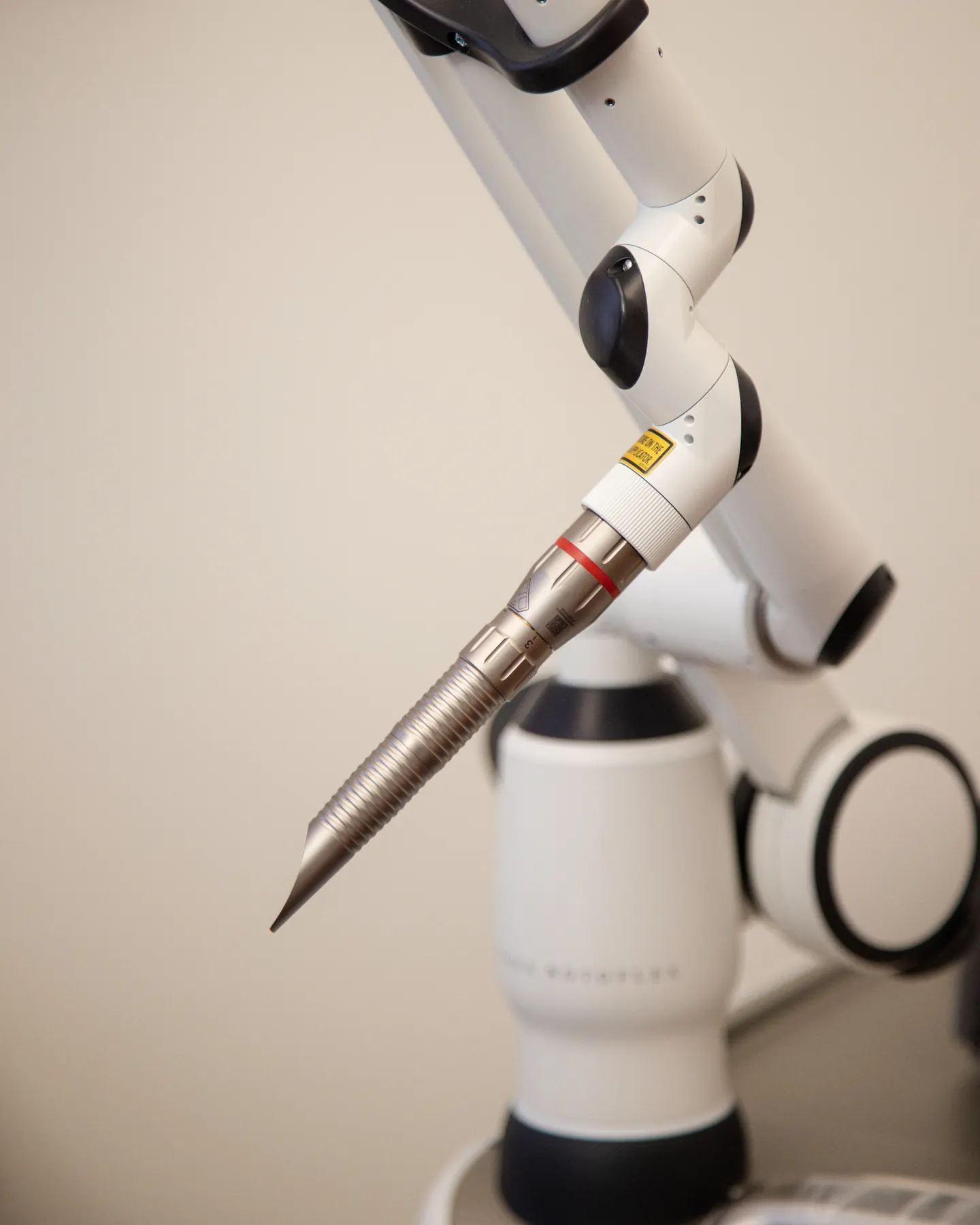
In a place like Encino, where aesthetic medicine is both visible and widely discussed, it is easy to hear the name of a device long before you understand what it actually does. Fotona is one of those names. Patients mention it in consultations for skin tightening, resurfacing, acne scar improvement, snoring support, and intimate wellness. Some arrive asking specifically for Fotona Laser Treatments Encino, CA because a friend had a good result. Others have only seen before-and-after photos online and want to know whether the treatment is worth the investment, the downtime, and the discomfort.
That question deserves a careful answer. Fotona is not one single treatment in the way many people assume. It is a laser platform with different wavelengths and protocols, which means outcomes depend heavily on the exact indication, the person operating the device, the settings chosen, and the condition being treated. The difference between an excellent result and a disappointing one often comes down to details patients never see on a social media post.
If you are weighing your options in Encino, it helps to understand what Fotona does well, where it has limits, and what questions to ask before booking.
Why Fotona gets so much attention
Fotona has built a strong reputation because it is versatile. Certain Fotona systems combine erbium:YAG and Nd:YAG wavelengths, allowing providers to address both surface and deeper tissue concerns. In practical terms, that means one platform may be used for texture, laxity, pigment-related concerns in selected cases, vascular support in some applications, and collagen stimulation.
That versatility matters in real practice. A patient rarely walks in with only one issue. More often, someone is concerned about mild jowling, crepey lower eyelids, acne scarring on the cheeks, enlarged pores around the nose, and perhaps a bit of redness. A flexible laser platform allows a provider to tailor treatment rather than force every concern into a single generic plan.
Still, versatility should not be confused with universality. No laser is best for everything. Fotona can be highly effective in the right hands, but it is not automatically the right answer for every face, every skin type, or every goal.
What Fotona treatments are commonly used for
In aesthetic practices around Encino, Fotona is often discussed in the context of non-surgical rejuvenation. That broad category includes several different treatment styles.
One major use is skin tightening. Controlled heat delivered into tissue can stimulate collagen remodeling over time. This tends to appeal to patients who are not ready for surgery but want more than skincare can provide. The effect is usually subtler than a facelift, yet meaningful for the right person, especially when laxity is mild to moderate.
Another common use is resurfacing. Here the laser addresses texture, fine lines, enlarged pores, and certain scars by creating a controlled injury in the skin and prompting renewal. Some protocols are relatively light with modest downtime, while others are more aggressive and produce a stronger visible recovery period.
Fotona is also discussed for acne scars, especially shallow textural irregularities. Results can be worthwhile, but scar treatment is one of the areas where honest expectation-setting is essential. Rolling scars, boxcar scars, icepick scars, and mixed scar patterns do not all respond the same way. In some cases, the best result comes from combining laser with subcision, TCA CROSS, radiofrequency microneedling, or filler.
There are also non-facial indications that surprise many patients. Some providers use Fotona protocols to support snoring reduction in selected cases, while gynecologic applications have also gained attention. Those uses require their own consultation standards and should not be lumped together casually with cosmetic skin treatments.
The Encino factor: why location changes the conversation
Encino is not Beverly Hills, and it is not a small suburban market either. It sits in a part of Los Angeles where patients often have sophisticated aesthetic awareness, but they are not always looking for the same thing. Some want camera-ready refinement and are comfortable with a series of procedures. Others want to look rested and natural, with minimal downtime and no obvious signs that work was done.
That local culture shapes how Fotona is used. In Encino, many patients prefer treatments that preserve movement and individuality rather than produce an overprocessed look. Laser-based collagen remodeling fits that preference well because results tend to develop gradually. Friends may notice fresher skin or a firmer jawline without immediately identifying the source.
Climate and lifestyle also matter. Southern California sun exposure is not a trivial issue in laser planning. Someone who hikes in the morning, plays tennis on weekends, or drives frequently with strong sun exposure on the left side of the face may have a different pigment risk profile than a patient who works indoors and is rigorous about SPF. Aftercare compliance is rarely glamorous, but it is one of the strongest predictors of whether a laser experience feels smooth or frustrating.
What treatment feels like, realistically
Patients often ask whether Fotona hurts. The honest answer is that it depends on the protocol, the treatment depth, the area treated, and individual tolerance.
Some non-ablative tightening sessions feel hot and prickly, with intermittent sharp snaps. They are unpleasant but very manageable for most people, especially with cooling, topical numbing when appropriate, and breaks during treatment. More intensive resurfacing can be significantly more uncomfortable and may require stronger preparation.
The recovery also varies. A lighter treatment may leave you pink and slightly puffy for a day or two, enough that many people can return to work quickly. A deeper resurfacing session may involve several days of redness, swelling, a rough sandpapery feel, and visible peeling or bronzing. If a provider suggests that every Fotona treatment is a true lunchtime procedure, that is a sign to slow down and ask more questions. Some are. Some definitely are not.
One patient I once heard described her experience in a way that felt accurate and useful. She said the actual session was easier than she feared, but the surprise was how dry and tight her skin felt on day three. That detail matters because many patients prepare emotionally for the treatment itself, not for the temporary recovery sensations afterward.
Where Fotona tends to shine
The strongest candidates for Fotona are usually not people expecting dramatic surgical-level transformation. They are patients who want visible improvement with more tissue respect than an aggressive, one-size-fits-all intervention.
It often performs well for early to moderate signs of aging, especially when texture and mild laxity are both in play. A person in their late 30s to mid 50s with crepiness, uneven texture, and subtle lower-face softening may get a very satisfying result from a smart series. Patients with acne scarring can also benefit, particularly if they understand that scar revision is usually a process rather than a one-visit fix.
Many providers appreciate Fotona around delicate zones such as the perioral area and lower eyelids when used appropriately. Those areas are difficult. They show age quickly, and they often respond poorly to casual or overly aggressive treatment. A careful approach can improve fine lines and skin quality without pushing the skin past what it can heal gracefully.
Where caution matters
The biggest misunderstanding with laser rejuvenation is the idea that “more” automatically means “better.” In reality, overtreatment can leave patients with prolonged redness, post-inflammatory hyperpigmentation, delayed healing, or textural problems that take months to settle.
Caution is especially important for darker skin tones, recently tanned skin, patients with melasma tendencies, those taking medications that affect healing, and anyone with a history of abnormal scarring. That does not mean Fotona is off the table in every such case. It means the decision requires nuance, proper pretreatment planning, and often more conservative settings.
There is also a practical caution around timing. If you have a major event, allow more buffer than the office brochure suggests. In real life, healing timelines vary. A patient might look presentable at one week but still have residual pinkness under makeup at two weeks. If the event is a wedding, reunion, filmed appearance, or professional headshot, build in margin. The shortest quoted downtime is rarely the wisest timeline to bank on.
How to judge whether a provider is the right fit
The device matters, but the operator matters more. Two clinics can both offer Fotona and deliver very different patient experiences and outcomes.
A strong consultation should sound specific. The provider should explain what concern they are treating, which Fotona modality they plan to use, why they selected it over alternatives, how many sessions are likely needed, what the downtime probably looks like for you, and what risks deserve attention in your skin type. Vagueness is not sophistication. It is usually a warning sign.
The best consultations also include restraint. If someone insists that Fotona can replace surgery in a patient with advanced laxity, skepticism is appropriate. Likewise, if severe acne scarring is presented as a quick laser fix without discussing combination treatment, the advice may be more sales-driven than medically grounded.
A useful set of questions to ask during consultation includes:
- What exact concern are you treating in my case, texture, laxity, pigment, scars, or a combination?
- Which Fotona protocol or wavelength are you planning to use, and why?
- How many sessions do patients like me usually need before judging the result?
- What are the most realistic side effects or downtime issues for my skin type and schedule?
- If Fotona is not the best option for me, what would you recommend instead?
A thoughtful provider will not be annoyed by these questions. They should welcome them.
Comparing Fotona with other options patients ask about
Patients in Encino often compare Fotona with RF microneedling, CO2 laser, Fraxel-type resurfacing, ultrasound tightening, and injectables. These are not interchangeable. They overlap, but each has a different strength profile.
CO2 laser is often stronger for aggressive resurfacing, especially for deeper wrinkles and more dramatic texture change, but it can also come with more downtime and a more demanding recovery. RF microneedling may be a better fit for some patients with acne scars or mild laxity, particularly in skin types where pigment risk is a major concern. Injectables can restore volume or soften dynamic lines quickly, but they do not improve skin texture the way a resurfacing treatment can.
This is where decision-making gets more sophisticated. A good aesthetic plan is not a popularity contest between devices. It is a matching exercise between problem and tool. A patient with etched lip lines, sun damage, and early lower-face looseness may benefit from Fotona. Another with heavy jowls, neck banding, and substantial skin redundancy may be better served by surgery, perhaps with laser as an adjunct later. Another with deep boxcar and tethered acne scars may need subcision first and laser second.
Cost, value, and the hidden math behind treatment plans
Pricing for Fotona Laser Treatments Encino, CA can vary widely depending on the area treated, the depth of treatment, whether a single session or package is recommended, and the experience level of the practice. While exact local fees shift over time, patients should expect meaningful variation rather than a standard citywide price.
The cheapest quote is not always the best value, and the highest quote is not automatic proof of quality. Value comes from accurate assessment, safe settings, proper follow-up, and a treatment plan that fits your actual goals. A lower-priced package becomes expensive if it produces little change. A well-executed higher-priced treatment can be worth it if it meaningfully improves the concern you care about most.
One pattern shows up often in cosmetic medicine: patients spend money chasing a bargain, then spend more correcting an underwhelming result. That does not mean you should overpay. It means price should be weighed alongside training, transparency, before-and-after consistency, and how well the provider explains why this treatment makes sense for your case.
What results really look like over time
Laser marketing often compresses the timeline. Real collagen remodeling takes time. Some patients notice an initial glow or tightening early, especially when swelling temporarily firms the skin, but the more durable improvement tends to reveal itself gradually over several weeks to months.
That delayed arc can be psychologically tricky. People who expect a next-day transformation may feel disappointed too soon. On the other hand, patients who understand the timeline are often pleasantly surprised when their skin keeps improving after the visible redness is gone.
Maintenance is part of the conversation too. Skin continues to age. Sun exposure continues. Collagen naturally changes year by year. A series of treatments followed by periodic maintenance usually produces better long-term satisfaction than a one-time procedure followed by neglect.
Preparing well makes a measurable difference
Preparation is not just administrative. It affects safety and results. Before treatment, providers may ask about active skincare ingredients, recent tanning, cold sore history, medications, and prior procedures. These questions are not routine box-checking. They are part of risk management.
A patient using strong retinoids, acids, or home exfoliating devices right up until treatment may become more reactive. Someone who downplays recent sun exposure can raise the chance of pigment problems. A patient with recurrent herpes simplex who does not disclose it may face a preventable outbreak after perioral laser work.
The basics tend to matter most:
- Avoid recent tanning and protect skin carefully before treatment.
- Follow instructions about pausing irritating skincare if your provider advises it.
- Disclose medications, supplements, and cold sore history honestly.
- Plan recovery days conservatively rather than optimistically.
- Use the recommended aftercare exactly as directed.
These steps are simple, but they are not optional details.
The role of combination treatment
Some of the best outcomes with Fotona happen when it is used as part of a broader plan rather than a solo hero treatment. This is especially true for patients with several overlapping concerns.
Take the common example of a patient in her mid 40s with mild cheek volume loss, sun-related texture changes, and early skin laxity around the jawline. Fotona may improve surface quality and stimulate collagen, but a small amount of filler or biostimulatory treatment could address structural volume more effectively. Likewise, a patient with acne scars may need subcision to release tethered scars first, then resurfacing to refine texture.
Combination treatment should not feel like upselling for its own sake. It should reflect a clear Fotona Laser Treatments Encino, CA logic: one tool for texture, another for volume, another for deep support. When that logic is absent, caution is appropriate.
A realistic mindset leads to better satisfaction
OMNIA Wellness Center Fotona Laser Treatments Encino, CAThe patients happiest with laser rejuvenation are usually the ones who go in with a grounded understanding of what treatment can and cannot do. They are not looking for perfection. They are looking for measurable improvement, a healthier skin surface, and a version of themselves that looks more rested and refined.
That mindset matters because aesthetic medicine is full of small judgments. How much downtime is acceptable? Is gradual improvement preferable to dramatic intervention? Are you trying to erase one specific issue, or improve the overall quality of your skin? There is no single correct answer. There is only a treatment plan that fits your priorities honestly.
For many people considering Fotona Laser Treatments Encino, CA, the right next step is not booking immediately. It is booking a good consultation, asking pointed questions, and listening for depth rather than polish. A reputable provider will explain where Fotona is likely to help, where it has limits, and whether another option might serve you better. That kind of honesty is usually the clearest sign that you are in the right room.
OMNIA Wellness Center
Address: 16430 Ventura Blvd Ste 207, Encino, CA 91436
Phone number: +18183868511
FAQ About Fotona Laser Treatments Encino, CA
What is a Fotona laser good for?
A Fotona Laser system is a versatile, dual-wavelength medical laser used primarily for non-surgical skin tightening, anti-aging rejuvenation, and dermatological treatments.
How much does the Fotona laser cost?
The cost of a Fotona laser depends heavily on whether you are looking to purchase a laser machine for a medical practice or are a patient seeking a laser treatment at a medspa.
Is a Fotona laser worth it?
A Fotona laser treatment is generally worth it if you want non-surgical skin tightening, improved texture, and collagen stimulation with very little downtime.