How Fotona Laser Treatments in Encino, CA Can Fit Your Beauty Routine
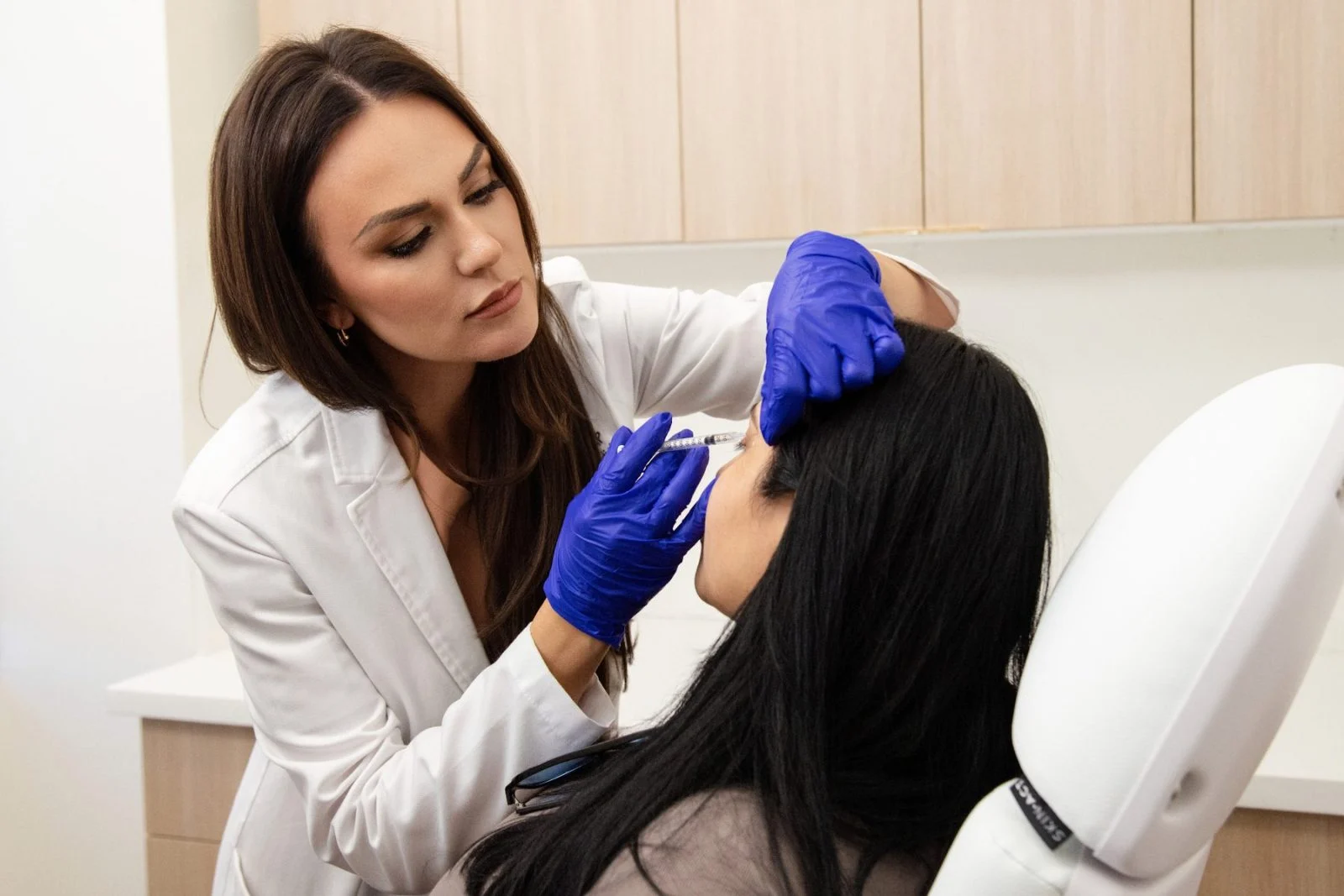
A beauty routine tends to evolve in layers. It starts with the basics, cleanser, moisturizer, sunscreen, then often expands into products for texture, tone, laxity, acne scars, redness, or the stubborn dullness that no serum seems to fully fix. At a certain point, many people realize that skin care at home can maintain results well, but it does not always create the level of change they want on its own. That is where laser treatments often enter the picture.
Fotona has become a familiar name in aesthetic medicine because its laser platforms are flexible. They can be used for concerns that sit at very different ends of the spectrum, from fine lines and uneven tone to acne scarring, skin tightening, and resurfacing. If you are considering Fotona Laser Treatments Encino, CA, the real question is not just whether the technology works. It is whether it can fit into your actual life, your schedule, your budget, your tolerance for downtime, and the skin goals you are trying to reach over the next six months, not just the next six days.
That practical piece matters. A treatment can be excellent in theory and still be a poor match for someone who has weekly public-facing meetings, a wedding on the calendar, melasma that flares with heat, or a skin barrier that gets irritated easily. The most successful beauty routines are not built around trends. They are built around consistency, timing, and good judgment.
What Fotona laser treatments are really doing for the skin
The term “laser treatment” often gets flattened into one vague category, but Fotona systems are used in different ways depending on the handpiece, wavelength, and settings chosen by the provider. Some sessions focus on stimulating collagen with minimal surface disruption. Others resurface more aggressively to address visible texture and deeper lines. Some target vascular redness or pigmentation more directly, while others work by heating tissue in a controlled way to encourage tightening over time.
That range is one reason these treatments show up in long-term skin plans rather than as one-off splurges. A patient may start with a gentler series because she wants brighter, firmer skin without much downtime. Another may decide to do a more intensive resurfacing session after years of trying to soften acne scars with peels and microneedling. Both may technically be receiving Fotona treatment, but their experience and recovery can look completely different.
This is also why consultations matter more than people expect. If someone walks into a med spa or aesthetic office and asks for “the Fotona laser,” that request is too broad to be useful. What matters is the concern being treated, the degree of correction desired, the individual’s skin type, whether they are prone to post-inflammatory hyperpigmentation, and how much downtime they can realistically manage. In experienced hands, the treatment plan becomes specific quickly.
Why Encino patients often look for treatments that work with real schedules
Encino has no shortage of people who care about appearance, but that does not automatically mean they want dramatic, obvious work. In fact, many want the opposite. They want fresher skin, better texture, a little lift, less crepiness around the eyes or mouth, and a healthier glow, but they do not want to disappear for two weeks or field comments that make them uncomfortable.
That preference shapes how aesthetic treatments get used in practice. A lot of patients are not building their routines around one transformational day. They are building them around maintenance and strategic upgrades. A lunchtime injectable appointment here, a light laser session every few months there, a stronger treatment timed around a holiday weekend or a slower OMNIA Wellness Center Fotona Laser Treatments Encino, CA work period. Fotona fits well into that framework because the treatment options can often be adjusted based on season, skin condition, and social calendar.
I have seen this play out repeatedly in aesthetic planning conversations. Someone comes in asking for help with dullness and early laxity, convinced she needs a heavy resurfacing treatment immediately. Once her goals and schedule are mapped out, the better choice may be a series of gentler sessions paired with consistent SPF, a retinoid, and a few months of patience. Another patient with long-standing acne scars may have already done enough half-measures. For her, one more mild treatment may only prolong frustration. A stronger intervention, timed correctly, may make more sense.
Where laser fits compared with products and injectables
At-home skin care, injectables, and laser treatments are often discussed as if they compete, but they usually solve different problems.
Topicals are excellent for maintenance, prevention, and gradual improvement. Daily sunscreen can do more for long-term skin quality than almost any single office procedure. Retinoids improve cell turnover and support collagen. Vitamin C can brighten and defend against oxidative stress. Exfoliating acids can help refine the surface. But there are limits. A serum cannot resurface moderate acne scarring. A cream cannot tighten lax tissue the way a well-chosen energy treatment can.
Injectables also have their lane. Neuromodulators can soften dynamic lines beautifully. Fillers can restore volume or refine contours in the right candidate. Biostimulators have their place too. Yet they do not replace treatments that address texture, enlarged pores, superficial lines, or uneven tone. In fact, one of the most balanced aesthetic routines often uses all three categories in a measured way. Skin care protects the investment. Injectables fine-tune expression and volume. Laser improves the canvas itself.
This is the point many patients appreciate after they have tried products for years. They stop asking which single treatment is “best” and start thinking in terms of what each tool can realistically do.
Deciding whether your goals call for a lighter touch or a deeper reset
One of the smartest ways to approach Fotona Laser Treatments Encino, CA is to think in terms of treatment intensity. Not everyone needs the strongest option available. Not everyone should start there. There is a real difference between wanting a refreshed look and needing structural remodeling.
A person in her thirties with mild early lines, some post-summer pigmentation, and a generally healthy skin barrier may benefit from a lower-downtime series that builds collagen gradually and brightens tone. She may continue working, exercising lightly, and seeing friends without much interruption. The payoff comes steadily rather than all at once.
A different patient in her forties or fifties, especially one bothered by etched lines around the mouth, textural roughness, or years of accumulated sun damage, may decide a stronger resurfacing session is worth the recovery. The skin may look pink and feel tight for longer. Social downtime may be necessary. Makeup may be off the table for a period. But the result can be more substantial.
Neither approach is more virtuous. The right choice depends on tolerance, timing, and expectations. Problems arise when someone chooses a mild treatment while secretly hoping for dramatic correction, or books a more aggressive treatment without fully understanding the aftercare and healing window.
How to fold treatments into a routine without disrupting your skin
The word routine can be misleading because it suggests something daily. Laser is not daily. It is better thought of as a periodic intervention that changes what your routine needs to do before and after the appointment.
Before treatment, the goal is usually stability. That often means calming any irritation, avoiding unnecessary exfoliation, and being meticulous with sun protection. If someone is overusing actives, switching from acid to acid, or dealing with an impaired barrier, it is usually wiser to fix that first rather than laser through it.
After treatment, the routine temporarily becomes simpler. Patients often do best with a gentle cleanser, a bland moisturizer, and diligent sunscreen while the skin recovers. Once healing is well underway, stronger actives can often be reintroduced slowly. This sounds basic, but it is where many people sabotage their own results. They feel impatient, return to retinoids or scrubs too early, and end up with extra irritation or prolonged redness.
A practical way to think about integration is this:
- Pick a treatment window that gives you recovery space, even for low-downtime sessions.
- Simplify your skin care for several days before and after unless your provider tells you otherwise.
- Pause heat-heavy plans like saunas, intense workouts, or long sun exposure during early recovery.
- Commit to sunscreen daily, not just on beach days.
- Plan a series only if you can follow through, because sporadic treatment usually produces sporadic results.
That level of planning may sound unglamorous, but it is exactly what makes aesthetic routines work.
Seasonal timing makes more difference than people think
Southern California weather encourages outdoor living almost year-round, which is lovely for quality of life and less ideal for laser aftercare. Sun exposure is one of the biggest variables in treatment planning, especially for resurfacing and pigment-related concerns. It is not that laser cannot be done in brighter months, but patients need to be realistic. If you are training for a marathon outdoors, spending weekends hiking, or heading into a vacation with hours of direct sun, that may not be the smartest moment for a treatment that makes your skin more vulnerable.
Fall and winter often make scheduling easier because there is naturally less sun exposure and fewer heat-heavy outdoor plans. For many people, that is when they choose stronger resurfacing options. Spring and summer may be better for maintenance treatments with lighter downtime, depending on the individual and the provider’s guidance.
This is especially important for anyone prone to pigmentation issues. Heat and inflammation can trigger trouble in skin that is reactive. A skilled provider will factor that in, sometimes choosing gentler strategies or spacing treatments differently.
What downtime really looks like in everyday terms
Patients often hear words like minimal downtime and imagine they will be camera-ready the same evening. Sometimes that is true. Sometimes it is not. Downtime is not just whether you are technically able to leave the house. It is whether you feel comfortable doing so.
With lighter treatments, you might have redness similar to a mild sunburn for a day or two, some dryness, and a little roughness as the skin turns over. That is manageable for many working adults. A tinted mineral sunscreen may be enough to get through normal life.
With stronger resurfacing, there may be several days where the skin looks significantly pink, feels warm or tight, and sheds visibly. Social plans may need to be scaled back. Work on video calls can be awkward for a short stretch, even if physically you are fine. This is where honest pre-treatment counseling matters. If someone has a major event in eight days, “mild redness” is not a sufficiently detailed conversation.
A provider who regularly performs Fotona Laser Treatments Encino, CA should be able to explain recovery in plain language. Not abstractly, but concretely. Can you wear makeup in forty-eight hours or not? Will the skin flake enough to show on camera? When can you resume workouts? How should you handle sunscreen reapplication if you are outdoors with kids on Saturday? Those are the useful questions.
Pairing Fotona with the rest of an aesthetic plan
Laser often works best when it is not expected to carry every goal alone. A thoughtful beauty routine layers modalities over time rather than stacking everything in one rushed month.
Someone focused on skin quality may use a prescription retinoid, quarterly or seasonal laser sessions, and occasional neuromodulator treatments for movement lines. Another person may prioritize tightening and textural improvement with energy-based treatments, then address volume loss separately if needed. The sequence matters. Treating volume loss with filler will not improve pore size or roughness. Doing laser on badly dehydrated, over-exfoliated skin is also a setup for irritation.
In practice, many experienced clinicians stagger these interventions so the skin has time to respond. That pacing protects the barrier, improves healing, and makes it easier to tell what is actually producing benefit.
Here are the kinds of pairings that often make sense when planned carefully:
- Laser plus prescription skin care for pigment, texture, and prevention
- Laser plus neuromodulators when both skin quality and expression lines are concerns
- Laser plus microneedling in separate phases when scars or collagen support need a longer strategy
- Laser plus conservative filler only if volume loss is truly part of the issue
- Laser plus strict sunscreen habits for anyone hoping to maintain results longer
The common thread is restraint. The face usually looks best when changes are layered thoughtfully, not piled on.
Budgeting for results without wasting money
Cost is part of beauty planning, whether people say it out loud or not. Laser treatments are an investment, and their value depends heavily on matching the treatment to the goal. Spending money on repeated mild sessions when what you need is a stronger corrective approach can become expensive frustration. Going straight to an aggressive treatment when your concerns are subtle can also be wasteful, especially if you resent the downtime.
The most budget-conscious approach is often the least impulsive one. Ask what result is realistic from one treatment versus a series. Ask how long improvement typically lasts with good maintenance. Ask what home care is worth paying for and what is optional. There is no prize for owning ten active serums if your skin is irritated and your sunscreen habits are inconsistent.
A lot of patients do well when they think in annual terms rather than per-visit terms. Instead of asking, “What can I do this month?” ask, “What is the smartest twelve-month plan for my skin?” That might mean one larger corrective treatment in winter, one maintenance session later in the year, injectables once or twice, and disciplined daily skin care. Seeing the bigger picture tends to reduce scattered spending.
Who should slow down and ask more questions
Not everyone is an ideal laser candidate at every moment. People with active infections, significant irritation, recent tanning, certain pigment disorders, or medications that affect healing may need to postpone or modify treatment. So do patients who are emotionally chasing a perfect result that no procedure can deliver.
Another group that needs careful counseling includes people with very busy, highly visible schedules who underestimate recovery. A parent with no childcare, a trial attorney in daily court, a real estate agent with constant in-person showings, these are not reasons to avoid treatment, but they are reasons to plan more thoughtfully.
Then there are the skin care maximalists. They are often enthusiastic, well-informed, and unintentionally hard on their own skin. They rotate acids, retinoids, peels, masks, and devices at home, then wonder why their face stings. These patients often get the best outcomes when they do less around the time of laser, not more.
What a good consultation should leave you understanding
A strong consultation does not just sell a treatment. It helps you understand where you are starting from and what trade-offs come with each option. By the end of the conversation, you should know the likely benefit, the expected downtime, the number of sessions suggested, the basic aftercare, and what could limit your result.
You should also feel that the provider has actually listened. If your main concern is that your skin looks tired on video calls, a plan built around dramatic resurfacing may miss the mark. If your true frustration is pitted acne scarring that has resisted years of creams, a very light “glow” treatment may not respect your goal either.
Good aesthetic medicine is not about pushing the strongest procedure or the newest package. It is about matching a real person to the right level of intervention at the right time.
Making Fotona part of a routine you can actually maintain
The most attractive results are usually not the ones that scream “procedure.” They are the ones that make someone look rested, smoother, clearer, and a little more polished in a way that still feels like them. Fotona can play a meaningful role in that outcome, especially for people who have reached the limits of what products alone can do.
For some, that means periodic collagen-focused sessions with minimal interruption to daily life. For others, it means choosing one stronger treatment and giving the skin the recovery window it needs. For many in Encino, the sweet spot is somewhere in between, a practical, customized plan that supports long-term skin quality rather than quick novelty.
If you are exploring Fotona Laser Treatments Encino, CA, the smartest approach is not to ask whether laser belongs in a beauty routine in the abstract. Ask where it belongs in yours. Look at your skin honestly. Look at your calendar honestly. Consider your tolerance for downtime, your history with pigmentation or sensitivity, and the difference between what you hope for and what you are willing to do consistently.
That is how aesthetic treatments stop feeling like random appointments and start becoming part of a coherent routine, one that respects both the biology of the skin and the realities of everyday life.
OMNIA Wellness Center
Address: 16430 Ventura Blvd Ste 207, Encino, CA 91436
Phone number: +18183868511
FAQ About Fotona Laser Treatments Encino, CA
What is a Fotona laser good for?
A Fotona Laser system is a versatile, dual-wavelength medical laser used primarily for non-surgical skin tightening, anti-aging rejuvenation, and dermatological treatments.
How much does the Fotona laser cost?
The cost of a Fotona laser depends heavily on whether you are looking to purchase a laser machine for a medical practice or are a patient seeking a laser treatment at a medspa.
Is a Fotona laser worth it?
A Fotona laser treatment is generally worth it if you want non-surgical skin tightening, improved texture, and collagen stimulation with very little downtime.